Compare Local Contractors for Workshop Construction Projects
Compare local contractors to define project scope, verify experience, and set clear expectations in writing for your workshop construction.
Workshop construction projects typically involve building or renovating spaces dedicated to specific work activities, such as manufacturing, automotive repair, woodworking, or storage. These projects often include constructing or modifying structures like garages, sheds, or dedicated rooms within larger buildings. The scope of work can encompass foundation work, framing, electrical and plumbing installations, insulation, ventilation, and finishing touches. Clearly defining what the project entails helps property owners communicate their needs effectively and ensures that service providers understand the full extent of the work required.
Establishing a well-defined scope is essential for managing expectations and avoiding misunderstandings during the construction process. When property owners outline the specific tasks, materials, and features needed, they create a clear framework for service providers to follow. This clarity helps prevent scope creep, where additional work might be added without proper agreement, and ensures that all parties share a common understanding of the project's parameters. Documenting the scope of work in writing, such as through detailed plans or agreements, provides a reference point that can be revisited if questions or discrepancies arise later.
Comparing local contractors for workshop construction involves evaluating their experience, reputation, and how they approach projects similar to the property owner’s needs. Property owners can benefit from researching service providers’ backgrounds, reviewing their portfolios or references, and asking about their familiarity with workshop-specific requirements. It’s also helpful to inquire about how each contractor plans to handle the scope of work, including their process for communication and project management. By gathering this information, property owners can make informed comparisons and select a contractor who demonstrates the expertise and approach that aligns with their project goals.
Compare local contractors by outlining your project priorities, verifying experience, and clearly defining expectations in writing.
- Define Project Scope - Clearly outline the work requirements and expectations to ensure alignment with local contractors.
- Verify Experience and References - Assess the background and past work of service providers to gauge their expertise.
- Compare Multiple Contractors - Review different local service providers to identify the best options for your workshop project.
- Document Agreements in Writing - Put all project details, scope, and expectations into written agreements to prevent misunderstandings.

Clearly describe your workshop project before comparing local contractors to ensure accurate scope and expectation alignment.
- Verify experience and expertise in workshop construction to ensure the contractor understands your project requirements. - Review the contractor’s portfolio or references to assess their past work on similar projects.
- Define the scope of work clearly in writing to set expectations and prevent misunderstandings during construction. - Ensure all project details, materials, and specifications are documented before work begins.
- Check that the contractor is familiar with local building codes and regulations relevant to workshop construction. - Confirm the contractor’s knowledge of permits and compliance requirements for your area.
- Compare multiple local contractors to evaluate their experience, communication, and professionalism. - Gather detailed proposals to understand each contractor’s approach and scope coverage.
- Discuss project timelines and milestones to align expectations, even if specific dates are not finalized. - Ensure the contractor can provide a realistic outline of the construction process.
- Request a written contract that includes scope, materials, payment terms, and project expectations before work begins. - Review the contract thoroughly to confirm all agreed-upon details are included.
Use this to compare local contractors, clarify project scope, verify experience, and set clear expectations.

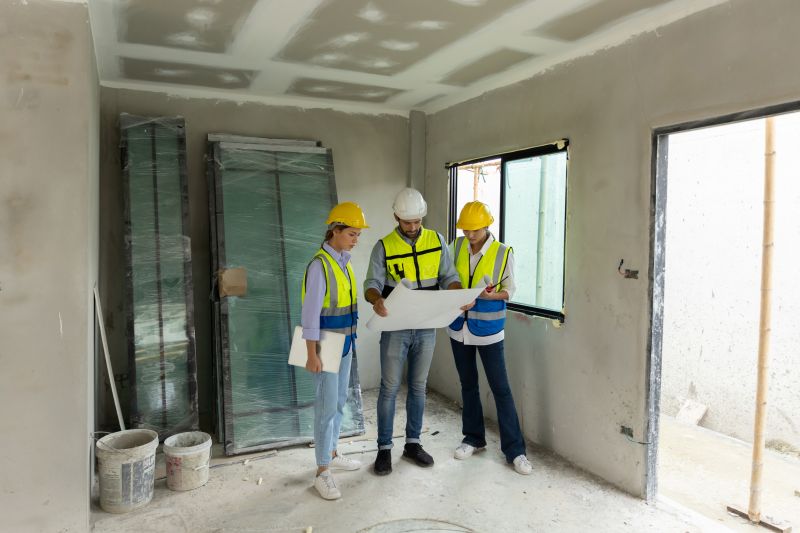


Use clear, consistent scope definitions across local contractors to ensure accurate comparisons and set proper expectations.
- Define project scope - clearly outline the size, purpose, and features of the workshop to guide the construction process.
- Verify experience - ensure service providers have relevant experience with workshop construction projects of similar scope.
- Assess qualifications - confirm that local contractors possess the necessary skills and knowledge for building a workshop.
- Establish expectations in writing - document the scope, materials, and specifications to prevent misunderstandings during construction.
- Compare service providers - evaluate multiple local contractors based on expertise, reputation, and scope understanding to find the best match.
When evaluating contractors for workshop construction, it’s important to consider their experience with projects similar in scope and design. Inquire about past work that aligns with the size, style, and complexity of the workshop being planned. Contractors with a proven track record in comparable projects are more likely to understand the unique requirements involved and to anticipate potential challenges. Gathering details about their previous work can provide insight into their familiarity with the specific demands of workshop construction, helping to inform a well-rounded comparison.
A clear, written scope of work is essential for ensuring that expectations are aligned between the homeowner and the contractor. A detailed scope should outline the specific tasks, materials, and deliverables involved in the project. This document serves as a reference point throughout the process, reducing misunderstandings and providing a basis for evaluating whether a contractor’s proposal covers all necessary aspects. When comparing options, look for contractors who can articulate the scope in writing with clarity and precision, demonstrating their understanding of the project’s requirements.
Verification basics involve confirming that contractors have the necessary experience and a solid understanding of workshop construction. Ask for examples of completed projects, references from previous clients, or a portfolio of work, if available. These verification steps help ensure that the contractor has relevant experience and a track record of successful projects. Additionally, consider how well the contractor communicates and whether they provide comprehensive, written documentation of the scope and expectations, which can be indicative of their professionalism and reliability.
Evaluating options without focusing on prices involves assessing the quality of proposals, the clarity of scope, and the contractor’s experience. Compare how each service provider presents their approach, whether their scope covers all aspects of the project, and if their experience aligns with the specific needs of workshop construction. Consider the level of detail in their proposals and the professionalism of their communication. By focusing on these factors, homeowners can make informed comparisons that prioritize quality, clarity, and experience, leading to a more confident selection of local contractors suited to the project.
Ask contractors to provide written scope details to ensure clear expectations and consistent project understanding.
- Scope Clarification - What specific tasks and materials should the contractor include in the project scope?
- Experience Verification - How can the contractor’s previous workshop construction projects demonstrate their expertise?
- Comparing Approaches - What construction methods and materials do different service providers propose for the workshop?
- Work Quality Expectations - How will the contractor ensure the finished workshop meets the desired standards and specifications?
- Written Agreements - What details should be documented in the scope of work and project expectations to avoid misunderstandings?
How can I compare different contractors for workshop construction? To compare service providers, review their experience in workshop projects, ask for references or examples of past work, and verify their understanding of your specific scope and needs.
What should I consider when defining the scope of a workshop construction project? Clearly outline the size, layout, materials, and any special features required. Providing detailed specifications helps contractors understand expectations and deliver accurate proposals.
How do I verify a contractor’s experience in workshop construction? Ask for a portfolio of previous projects, check references, and inquire about their familiarity with similar workshop types to ensure they have relevant expertise.
What is important to include in a written agreement with a contractor? The agreement should specify the project scope, materials, responsibilities, and any agreed-upon deliverables to set clear expectations for the work to be performed.
How can I ensure a contractor understands my workshop construction needs? Communicate your project details clearly, ask for their input on design and materials, and confirm that they can meet your specifications before proceeding.
What questions should I ask a contractor before hiring for workshop construction? Inquire about their experience with similar projects, their approach to project management, and how they handle potential challenges during construction.
By exploring the options available, visitors can learn how to effectively compare local contractors for workshop construction projects. Understanding how to define the scope of work, verify experience, and set clear expectations in writing helps ensure a smoother process. Utilizing the quote form provides a simple way to connect with service providers who can handle the job, making it easier to evaluate different local contractors and find the right match for specific needs.
Taking the time to gather information and compare local contractors can lead to more informed decisions about workshop construction. The quote form is a practical tool for initiating contact with qualified service providers, allowing for straightforward comparisons without the need for direct outreach. This approach supports choosing a contractor that aligns with project requirements and expectations, helping to streamline the planning process.